News & Articles

What are the Causes of Flat Head Syndrome in Babies?
- 13:35, 7th September 2018
- Test Organization
- Head, Neck and Back
- Flat Head Syndrome / Plagiocephaly
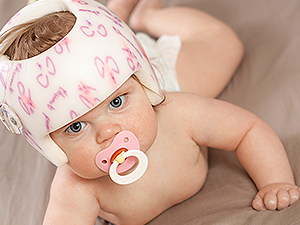
A newborn’s head may look long or pointy during the childbirth. It is normal for a baby skull to look oddly shaped after a few weeks of birth. But, if a baby has a flat spot on the back or one side of the head, it may be said that the baby has a flat head syndrome, also known as positional plagiocephaly.
The causes of Flat Head Syndrome
The usual cause behind this syndrome is a newborn’s sleeping position. As infants sleep for long hours, lying on their backs, their head flattens in one side. Moreover, this problem further facilitated when babies are placed in devices like, carriers, swings, bouncy seats, strollers and infant car seats during the day.
Premature newborns are more susceptible to this problem as their skulls are softer than those of normal ones. Because of their extreme fragility and medical attention, premature babies spend maximum time lying without being moved or picked up.
Furthermore, a baby may even have a flat head before birth. This is generally caused by the pressure of the mother’s pelvis on the baby’s skull or if the mother is carrying a twin. The babies cramped in the womb also leads to torticollis, causing a flattened head. Infants born with torticollis face a tough time in moving their heads due to the hard neck muscles on a single side of the neck.
As it becomes difficult for them to turn their head, babies keep their heads in the same position, developing flattening on one side. Likewise, many babies develop torticollis after they get a flat head syndrome. The neck muscles become non-flexible from lack of use as they tend to lie in one position.
Do you think your baby too has a flat head syndrome? Reach out to a specialist at Curedit for more information.