News & Articles

Test Organization

What Are the Links between HIV/AIDS and Cancer?

  • 13:49, 7th September 2018
  • Test Organization
  • Cancer
  • HIV / AIDS
What Are the Links between HIV/AIDS and Cancer?


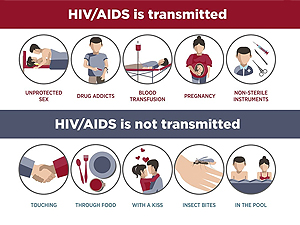
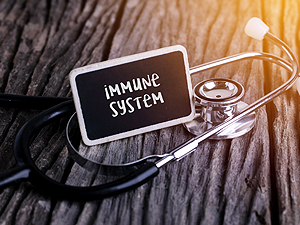
AIDS or Acquired Immune Deficiency Syndrome occurs in the immune system of the human body and the HIV or the Human Immunodeficiency Virus attacks the system. HIV gets transmitted from one person to another mostly via blood and other bodily secretions like saliva or semen.

HIV/AIDS-related cancer

The types of HIV/AIDS cancers are often termed as ‘AIDS-defining conditions.’ People with HIV are most likely to acquire these three types of cancers - Kaposi sarcoma, Non-Hodgkin lymphoma and Cervical cancer.

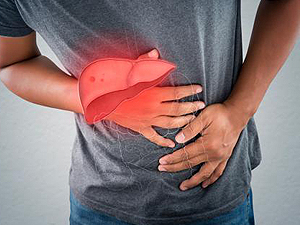
# Kaposi sarcoma - A specific type of soft-tissue sarcoma, this mainly occurs in people having organ transplantation. Kaposi sarcoma gets the infection from Human Herpesvirus 8 or HH8 and homosexual men are often detected with it. It results in a rise of lesions in more than one part of the body, including the lymph nodes, skin, spleen, digestive tract or liver.

# Non-Hodgkin lymphoma - NHL is the cancer of the lymphatic system. The cells of the lymphatic system grow out of proportion to form a tumor. Since lymphocytes are designed to fight the foreign objects in the body, cancer of the lymphatic system weakens the core of the immunity. The primary central nervous system lymphoma affects the condition of the brain. The lungs or the heart get filled with fluid when a person is diagnosed with primary effusion lymphoma. The aggressive B-cell lymphomas affect by diffusing the large B-cells.

# Cervical cancer - It occurs in the cervix part of a woman. Those having HIV/AIDS get the risk of developing Cervical Intraepithelial Neoplasia or CIN. The cells start growing in a precancerous way in the cervix and are associated with HPV or Human Papillomavirus infection.

Since the main target of HIV is the immune system, a person who has AIDS remains vulnerable and exposed to life-threatening diseases. Get help from Curedit and know about better prevention.
News & Articles

What Are the Links between HIV/AIDS and Cancer?

  • 13:49, 7th September 2018
  • Test Organization
  • Cancer
  • HIV / AIDS
What Are the Links between HIV/AIDS and Cancer?


AIDS or Acquired Immune Deficiency Syndrome occurs in the immune system of the human body and the HIV or the Human Immunodeficiency Virus attacks the system. HIV gets transmitted from one person to another mostly via blood and other bodily secretions like saliva or semen.

HIV/AIDS-related cancer

The types of HIV/AIDS cancers are often termed as ‘AIDS-defining conditions.’ People with HIV are most likely to acquire these three types of cancers - Kaposi sarcoma, Non-Hodgkin lymphoma and Cervical cancer.

# Kaposi sarcoma - A specific type of soft-tissue sarcoma, this mainly occurs in people having organ transplantation. Kaposi sarcoma gets the infection from Human Herpesvirus 8 or HH8 and homosexual men are often detected with it. It results in a rise of lesions in more than one part of the body, including the lymph nodes, skin, spleen, digestive tract or liver.

# Non-Hodgkin lymphoma - NHL is the cancer of the lymphatic system. The cells of the lymphatic system grow out of proportion to form a tumor. Since lymphocytes are designed to fight the foreign objects in the body, cancer of the lymphatic system weakens the core of the immunity. The primary central nervous system lymphoma affects the condition of the brain. The lungs or the heart get filled with fluid when a person is diagnosed with primary effusion lymphoma. The aggressive B-cell lymphomas affect by diffusing the large B-cells.

# Cervical cancer - It occurs in the cervix part of a woman. Those having HIV/AIDS get the risk of developing Cervical Intraepithelial Neoplasia or CIN. The cells start growing in a precancerous way in the cervix and are associated with HPV or Human Papillomavirus infection.

Since the main target of HIV is the immune system, a person who has AIDS remains vulnerable and exposed to life-threatening diseases. Get help from Curedit and know about better prevention.