News & Articles

Reasons for Bleeding Gums you Should Be Aware Of
- 6:39, 4th September 2018
- Test Organization
- Dental Health
- Bleeding Gums

Bleeding gums are a common ailment that affects countless individuals around the world. Fortunately, it is also something that can be treated without much effort. Still, it is important to be aware of the different causes that lead to this condition.
Key Factors that Lead to Bleeding Gums
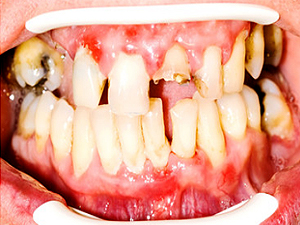
* Gingivitis - The buildup of plaque on your teeth and gums can cause gingivitis. This medical condition weakens the gums to a great extent and can lead to bleeding. This type of bleeding might occur even while you are brushing. So, make sure that you are brushing and flossing regularly.
* Toothbrush change - If you have just changed your toothbrush you might get bleeding gums. This is because the old brush has bristles that have turned soft over time. When you use the same amount of force with the new brush, the gum surface can receive abrasive damage.
* Excessive flossing - Flossing is a useful activity required for cleaning the spaces in between teeth. It effectively gets rid of food debris and other impurities. But flossing can also cause bleeding gums if performed erratically. If you suddenly floss too much every day it can lead to accidental gum bleeding.
* Medication side effects - Certain medications can have adverse effects on your gums and even make them bleed. Some of these include drugs like anticonvulsants, immunity suppressors, and blood pressure medications. Many medications negatively impact the flow of saliva within the mouth. This can lead to your gums bleeding.
* Lack of proper nutrition - Adequate nutrition is quite crucial for maintaining the health of your teeth and gums. If you are not getting ample quantities of vitamins and minerals in your diet, your gums might start bleeding.
If you are in need of more dental care advice check out Curedit.