News & Articles

Test Organization

Can Jaundice be Potentially Life-Threatening?

  • 13:42, 7th September 2018
  • Test Organization
  • Diseases and Infections
  • Jaundice
Can Jaundice be Potentially Life-Threatening?


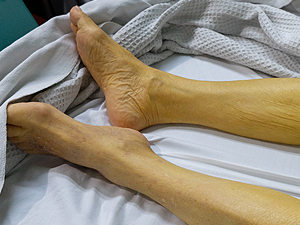
Jaundice is a medical condition that causes yellowing of the skin, mucous and eyes, which is commonly associated with the release of bilirubin in the blood. Though jaundice is not considered deadly, it may lead to life-threatening diseases if not treated at an early stage. Jaundice can develop at any age, hence you should the risk factors related to it so that you seek medical help at the right time.

The risk factors associated with it

Sometimes, in adults, jaundice includes hereditary conditions. In this case, RCBs are destroyed and is removed from the body before they attain their normal span of life. This results in hereditary spherocytosis or thalassemia, and different kinds of skin diseases like, polyarthralgias (joints inflammation) and pyoderma gangrenosum (painful skin ulcers). Most individuals make a full recovery, but some also experience complications associated with the underlying cause.

Fatal and life-threatening problems include internal bleeding, electrolyte abnormalities, anaemia, kidney failure, liver damage, cirrhosis, severe pancreatitis and hepatic encephalopathy (loss of brain function because of liver damage). If not received medical attention, it may also lead to death.

Apart from this, potential complications are also noticed in infants and kids. Babies may develop severe bruising during birth because of the early destruction of the RCBs. Acute signs of jaundice include fever, vomiting, crying and screaming. If the condition worsens, a baby may experience athetoid cerebral palsy and permanent ear damage.

Prevention and Treatment

Treating jaundice is vital so that it does not give rise to other medical conditions. If the symptoms of jaundice are left untreated for a longer period of time, certain complications set in. You may also be advised by your physician for emergency surgery such as a liver transplant.

Would you like to know more about jaundice? Talk to an expert at Curedit.

News & Articles

Can Jaundice be Potentially Life-Threatening?

  • 13:42, 7th September 2018
  • Test Organization
  • Diseases and Infections
  • Jaundice
Can Jaundice be Potentially Life-Threatening?


Jaundice is a medical condition that causes yellowing of the skin, mucous and eyes, which is commonly associated with the release of bilirubin in the blood. Though jaundice is not considered deadly, it may lead to life-threatening diseases if not treated at an early stage. Jaundice can develop at any age, hence you should the risk factors related to it so that you seek medical help at the right time.

The risk factors associated with it

Sometimes, in adults, jaundice includes hereditary conditions. In this case, RCBs are destroyed and is removed from the body before they attain their normal span of life. This results in hereditary spherocytosis or thalassemia, and different kinds of skin diseases like, polyarthralgias (joints inflammation) and pyoderma gangrenosum (painful skin ulcers). Most individuals make a full recovery, but some also experience complications associated with the underlying cause.

Fatal and life-threatening problems include internal bleeding, electrolyte abnormalities, anaemia, kidney failure, liver damage, cirrhosis, severe pancreatitis and hepatic encephalopathy (loss of brain function because of liver damage). If not received medical attention, it may also lead to death.

Apart from this, potential complications are also noticed in infants and kids. Babies may develop severe bruising during birth because of the early destruction of the RCBs. Acute signs of jaundice include fever, vomiting, crying and screaming. If the condition worsens, a baby may experience athetoid cerebral palsy and permanent ear damage.

Prevention and Treatment

Treating jaundice is vital so that it does not give rise to other medical conditions. If the symptoms of jaundice are left untreated for a longer period of time, certain complications set in. You may also be advised by your physician for emergency surgery such as a liver transplant.

Would you like to know more about jaundice? Talk to an expert at Curedit.