News & Articles

What are The Main Causes of Bladder Stones?
- 11:13, 29th August 2018
- Test Organization
- Kidney, Bladder and Genitals
- Bladder Stone
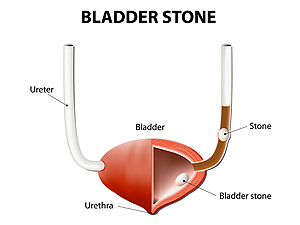
Bladder stones are one of the worst medical conditions that affect human beings. They are generally formed when urine minerals take a crystalline form. There are several symptoms like lower abdominal pain, excessive urination, urinary blood, and more. But what are the factors that actually lead to the development of bladder stones? Take a look at the main causes below.
The Main Causes Which Lead To Bladder Stones
1. Nerve damage - A bladder with damaged nerves is also known as a neurogenic bladder. These are the nerves through which your brain exercises necessary control over your bladder functions. If they are damaged, your bladder might not clear out fully. Such circumstances can lead to the formation of stones.
2. Abnormally large prostate - Many men suffer from enlarged prostate glands. It is a condition known as benign prostatic hyperplasia. Due to the increase in prostate size, the flow of urine is restricted, leading to the presence of unwanted residues.
3. Presence of kidney stones - Kidney stones can lead to the development of bladder stones. In some patients, kidney stones can travel down to the urinary bladder. While they are supposed to be flushed out, some residues do remain.
4. Medical devices - Catheters can lead to bladder stones and so can urinary stents. While these are necessary medical devices, mineral formation on their surfaces is the main reason for the development of bladder stones.
5. Bladder inflammations - Urinary tract infections can lead to bladder inflammations and are one of the major contributing factors for bladder stone formations. If you have been subjected to pelvic radiation therapy, the risk of developing bladder stones also rise.
These are some of the key causes leading to the formation of problematic bladder stones. Know more regarding bladder health by visiting Curedit.